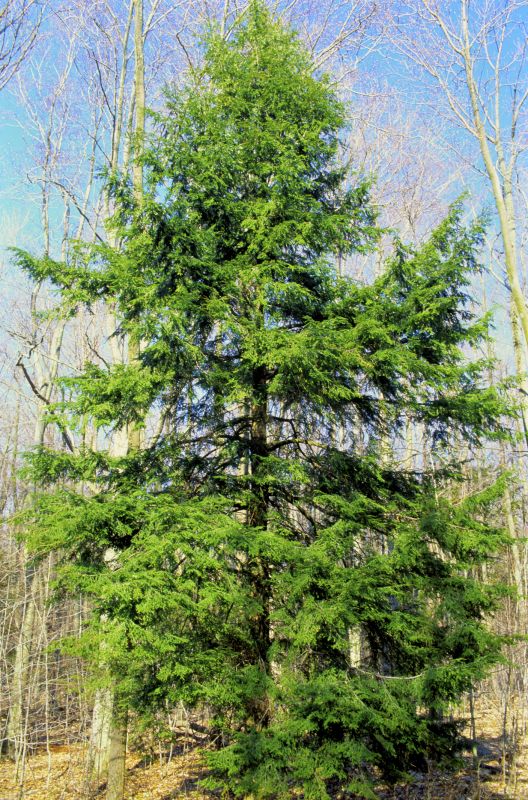
Hemlock Removal in Newark, DE
Hemlock removal services involve the careful elimination of hemlock trees from residential and commercial properties. This process typically addresses concerns related to tree health, safety hazards, or landscape management, and can include removing entire trees or selectively pruning affected branches. Projects may range from clearing overgrown areas to removing hazardous trees near structures or power lines, helping property owners maintain a safe and attractive outdoor space.
Before requesting hemlock removal, property owners should consider factors such as the size and location of the trees, potential impacts on the landscape, and any local regulations or restrictions. It’s also useful to understand the reasons for removal, whether for safety, disease control, or aesthetic reasons, to ensure the service aligns with the property’s needs. Clear communication about these details can help determine the most appropriate approach for a safe and effective removal process.
Many property owners in Newark, DE look into Hemlock Removal for repairs, replacements, upgrades, and appearance-related improvements.
Reasons To Remove Hemlocks
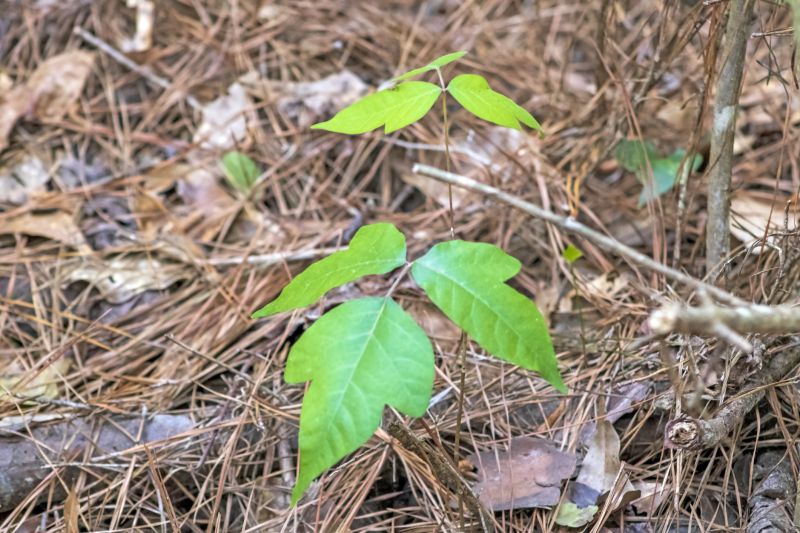
Removing infected or damaged hemlocks helps protect the health of surrounding trees and maintain landscape safety.
Hemlock Removal Process
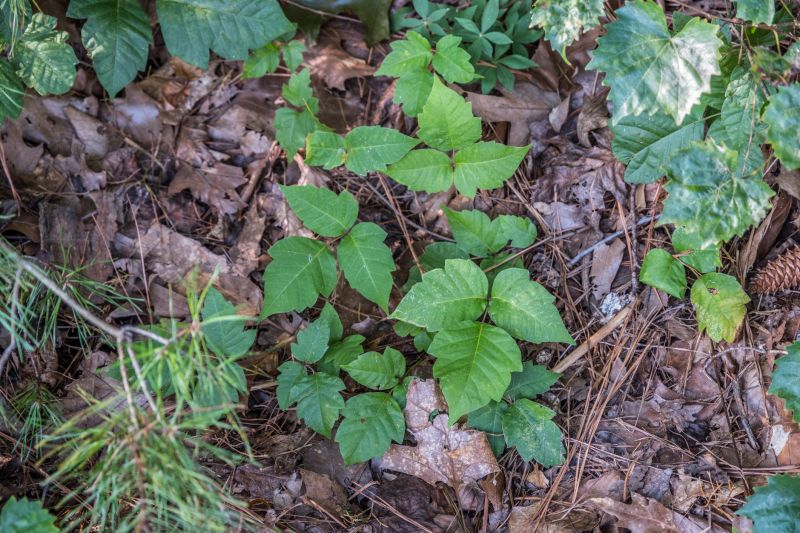
The process involves safely cutting and removing the tree to prevent damage to nearby property and ensure proper disposal.
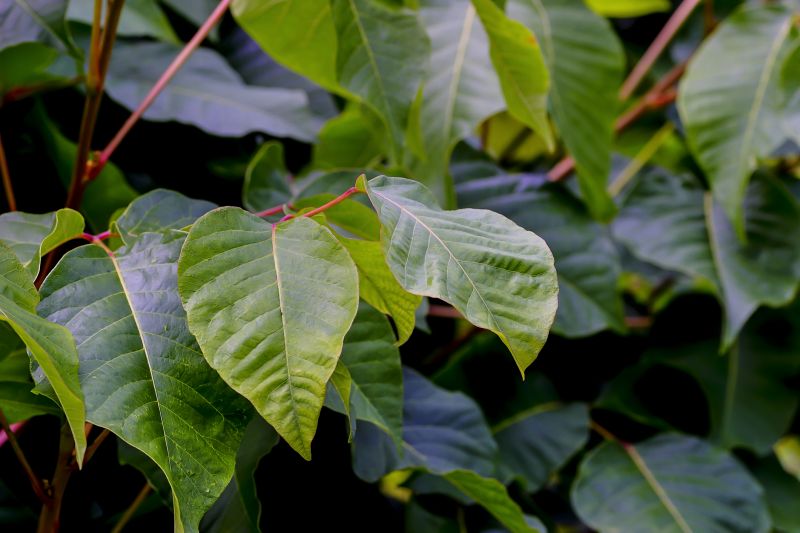
Property Improvement Benefits
Removing overgrown or hazardous hemlocks can enhance curb appeal and create more open space for landscaping or construction.
Hemlock Removal in Newark, DE
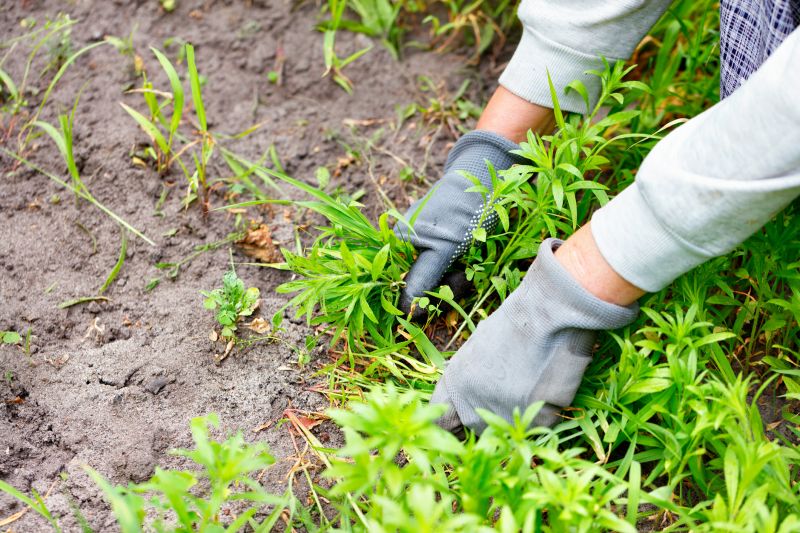
Hemlock removal services involve the careful elimination of hemlock trees from residential and commercial properties. This process typically addresses concerns related to tree health, safety hazards, or landscape management, and can include removing entire trees or selectively pruning affected branches. Projects may range from clearing overgrown areas to removing hazardous trees near structures or power lines, helping property owners maintain a safe and attractive outdoor space.
Before requesting hemlock removal, property owners should consider factors such as the size and location of the trees, potential impacts on the landscape, and any local regulations or restrictions. It’s also useful to understand the reasons for removal, whether for safety, disease control, or aesthetic reasons, to ensure the service aligns with the property’s needs. Clear communication about these details can help determine the most appropriate approach for a safe and effective removal process.
Many property owners in Newark, DE look into Hemlock Removal for repairs, replacements, upgrades, and appearance-related improvements.
Common Hemlock Removal Jobs
Hemlock Removal - Safely eliminates dangerous or invasive hemlock trees from residential properties.
Hemlock Pruning - Trims hemlock trees to improve health and maintain a tidy appearance.
Hemlock Stump Grinding - Removes tree stumps after hemlock removal to prevent regrowth and hazards.
Hemlock Disease Treatment - Addresses health issues in hemlocks caused by pests or diseases.
Hemlock Replanting - Replaces removed trees with suitable, healthy alternatives for landscape enhancement.
Hemlock Preservation - Implements strategies to protect valuable hemlocks from threats and decline.
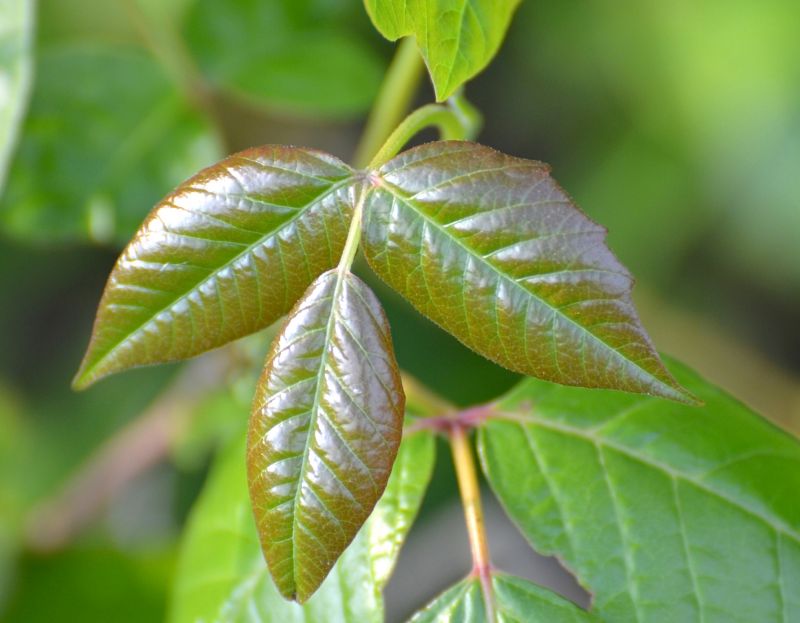
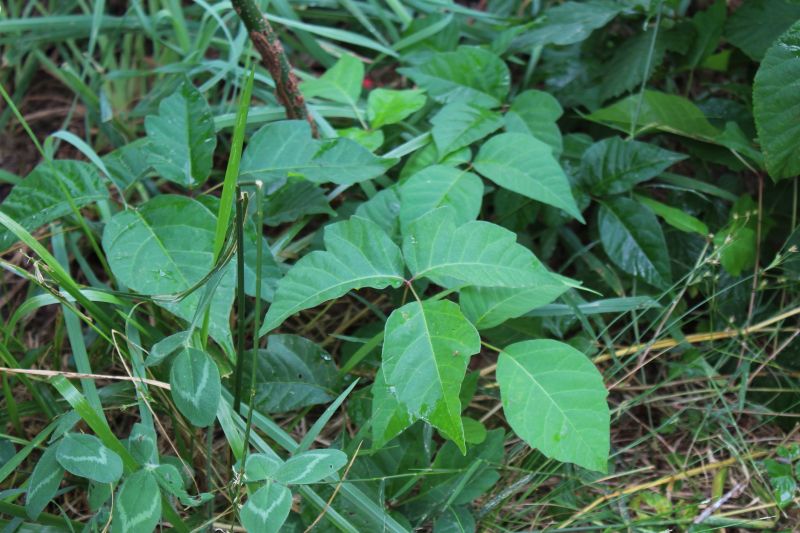
Hemlock Removal Questions
Why should Hemlock trees be removed? Hemlock trees may be removed to prevent disease spread, address safety concerns, or improve landscape appearance.
What signs indicate a Hemlock tree needs removal? Signs include extensive disease, structural instability, or damage from storms or pests.
Is Hemlock removal suitable for all property types? Hemlock removal can be performed on various property sizes, especially when the tree poses a risk or obstructs views.
What should property owners consider before removal? It’s important to evaluate the tree’s health, location, and potential impact on the landscape before removal.
Request Hemlock Removal in Newark, DE
Use the quote form on this page to share the basics of your project and request more information for the type of work you need.